
VLSFO 0.5% Sulphur Marine Fuel
Very low sulphur fuel oil to ISO 8217 RMG 380, IMO 2020 compliant
VLSFO is residual marine fuel with sulphur capped at 0.50% m/m, the global limit that MARPOL Annex VI has applied outside Emission Control Areas since 1 January 2020. Most of it is contracted to ISO 8217 as RMG 380, and ISO 8217:2024 now gives VLSFO its own table, separate from high sulphur fuel. VLSFO is usually a blend of residues and cutter stocks, so the parameters that matter go beyond viscosity and sulphur: total sediment potential (TSP) and total sediment existent (TSE) for stability, compatibility when a new stem meets fuel already in the ship's tanks, aluminium plus silicon (catalyst fines) and pour point, since waxy blends can thicken in unheated tanks. The 2024 edition also added a minimum viscosity for VLSFO so the fuel can be handled and purified at a known temperature.
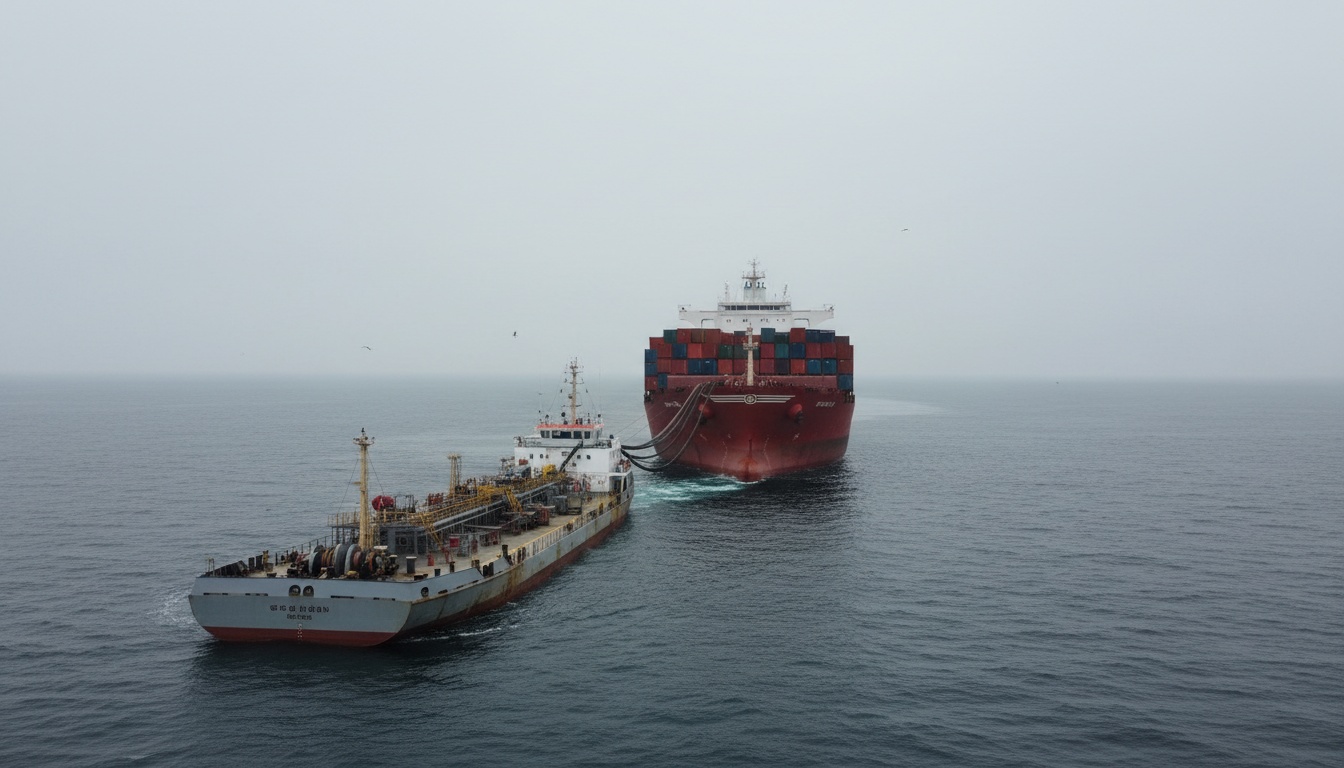
The trade runs on two tracks. Bunkering is delivery by licensed barge into a ship at a hub such as Singapore, Fujairah or Rotterdam, against a bunker delivery note and MARPOL sample. Cargo trade is a tanker parcel from a refinery or blender into storage, a bunker pool or a power plant. Singapore is the largest bunkering port by volume: the Maritime and Port Authority of Singapore (MPA) reported record marine fuel sales of about 56 million tonnes in 2025, and it has required MPA-approved mass flow meters on marine fuel oil deliveries since 1 January 2017, with the bunker delivery note quantity taken from the meter. Prices are referenced to published assessments such as Platts Marine Fuel 0.5% FOB Singapore, which has Fujairah and Rotterdam equivalents. CBIL is a commodity brokerage company and brokers VLSFO against the refinery or blender named on the certificate of analysis, SGS or Intertek inspection at load or delivery, and a named buyer or ship. Deals built on tank storage receipts, dip tests, ICPO/FCO procedures or advance fees are not worked; every enquiry is screened.
Need the ship as well? Our chartering desk prices product tanker chartering on LaycanDesk.
Excluded origins are not offered, including product re-exported, blended or re-processed through a third country. Every lot moves with a certificate of origin naming the producing plant, mine or grower country, and nothing is quoted before the seller and loading point are known.
Indicative reference
Per MT, against Platts Marine Fuel 0.5% USD / MT
as at September 2026
Reference level only — not an offer, and reviewed quarterly. Levels shown are as at September 2026. Firm pricing is quoted per RFQ, subject to volume, terms and inspection.
Typical Specification
Specifications are indicative and adjusted to the agreed contract and destination requirements. Final spec confirmed on COA / SGS.
Available Grades
Applications
- Bunkering for ships without scrubbers
- Bunker blending pools
- Low sulphur power generation
Category
Petroleum & Energy
Incoterms
FOB · CIF · Delivered (bunker)
Pricing basis
USD / MT
Inspection
SGS / Intertek at load port
VLSFO 0.5% Sulphur Marine Fuel — buyer questions
Why do VLSFO stems have compatibility problems?
VLSFO is usually blended from different residues and cutter stocks. When two blends meet in a tank, heavy components can drop out as sludge that blocks filters and purifiers. That is why ISO 8217:2024 asks for total sediment potential to be reported, and why a new stem is best kept segregated until compatibility is checked.
Is VLSFO allowed inside an Emission Control Area?
No. Inside the Baltic, North Sea, North American, US Caribbean and, since 1 May 2025, Mediterranean ECAs the limit is 0.10% sulphur, so ships use marine gasoil or another 0.10% fuel unless a scrubber is fitted and operating.
What is the difference between a bunker deal and a VLSFO cargo?
A bunker deal delivers fuel into a named ship by a licensed barge at a port, documented by a bunker delivery note and MARPOL sample. A cargo is a tanker parcel sold FOB or CIF into storage, a blender or a power plant, documented by bill of lading, certificate of analysis and independent inspection. Tell us which one you need.
What does a genuine VLSFO seller provide?
A certificate of analysis naming the refinery or blender, a load port with a vessel or barge programme, and acceptance of SGS or Intertek inspection. Offers resting on tank storage receipts, dip tests or up-front fees, with no named refinery, are not genuine supply.
Ready to source VLSFO 0.5%?
Send your quantity, specification, preferred Incoterms and destination port. Qualified requirements receive a workable offer against verified supply.
Have VLSFO 0.5% to sell? Submit an offer — we'll match it against live buyer demand.
More in Fuel Oil (D6 & Bunker Grades)
D6 Virgin Fuel Oil
Unblended residual bunker fuel for industrial off-takers
IFO 380 Bunker Fuel
ISO 8217 RMG 380 marine residual fuel, HSFO & VLSFO
HSFO 3.5% High Sulphur Fuel Oil
380 cSt and 180 cSt high sulphur fuel oil for scrubber ships and power plants
Marine Gasoil (MGO) DMA / DMZ 0.1%
ISO 8217 DMA and DMZ distillate at 0.10% sulphur for ECAs and EU berths