
Soybeans
Yellow #2 GMO & Non-GMO beans for crush and food
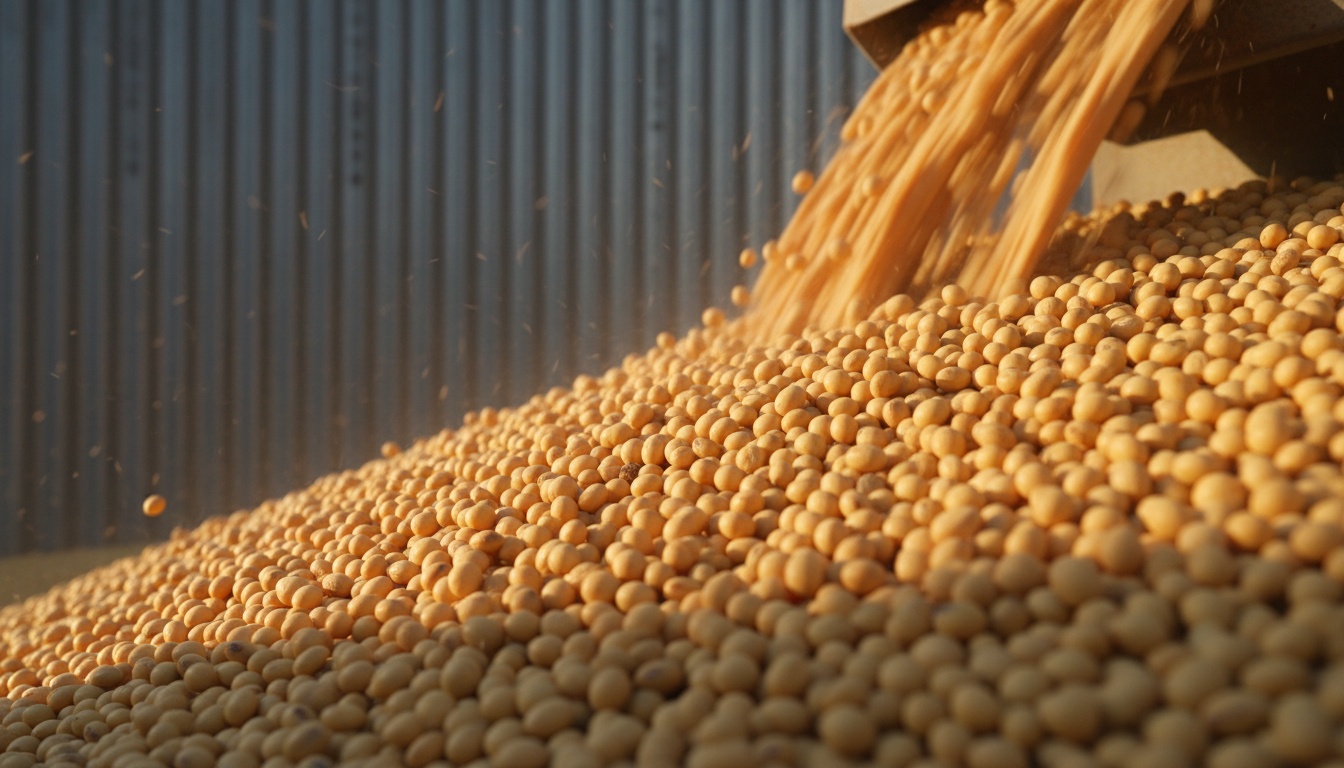
CBIL brokers whole soybeans in the classifications the trade actually contracts against: US Yellow Soybean #2 to the FGIS standard, Brazilian and Argentine yellow beans on the FOSFA/GAFTA quality clauses, and identity-preserved Non-GMO material with segregation documented from farm to load port. The variables that price the lot are oil content (typically 18–20% and the number a crusher builds their margin from), protein on a dry basis (34–38%), moisture at 13–14% maximum, foreign matter, and splits and damaged beans. Oil and protein trade off against each other — Brazilian beans generally run higher protein while US beans have historically carried the oil, so the origin you buy should follow whether your yield is oil-led or meal-led rather than whichever is nominally cheapest per tonne.
Buy the bean rather than the meal when you own crushing capacity and want the oil and the meal yield in your own hands, when you are a food processor making tofu, soy milk, natto or tempeh and need whole, unbroken, clear-hilum beans, or when your market requires Non-GMO/IP status that meal cannot cheaply certify back through the supply chain. If you only need protein into a feed ration, soybean meal is the shorter and usually cheaper route. Supply is arranged in bulk vessel, 50kg bags and jumbo bags with SGS or Intertek analysis of protein, oil, moisture, foreign matter and damaged kernels, plus GMO/Non-GMO declaration, phytosanitary certificate and fumigation, on FOB, CFR and CIF terms.
Need the ship as well? Our chartering desk prices grain freight, Handysize to Panamax on LaycanDesk.
Excluded origins are not offered, including product re-exported, blended or re-processed through a third country. Every lot moves with a certificate of origin naming the producing plant, mine or grower country, and nothing is quoted before the seller and loading point are known.
Indicative reference
$425–465 USD / MT
as at September 2026
Reference level only — not an offer, and reviewed quarterly. Levels shown are as at September 2026. Firm pricing is quoted per RFQ, subject to volume, terms and inspection.
Typical Specification
Specifications are indicative and adjusted to the agreed contract and destination requirements. Final spec confirmed on COA / SGS.
Available Grades
Applications
- Oil crushing
- Animal feed
- Food & soy protein (tofu, soy milk, tempeh)
- Aquaculture feed
Category
Agriculture & Fertilizers
Incoterms
FOB · CFR · CIF
Pricing basis
USD / MT
Inspection
SGS / Intertek at load port
Soybeans — buyer questions
Should I buy Brazilian or US soybeans?
Follow your yield, not the headline price. Brazilian beans generally run higher protein, which favours a meal-led crush; US beans have historically carried better oil content, which favours an oil-led crush. Freight and crop timing then move the decision — Brazil is liquid from February through mid-year, the US from the September–November harvest. We quote both and can put the oil and protein numbers side by side before you fix.
Can you supply certified Non-GMO soybeans?
Yes, as identity-preserved material with segregation documented through the chain and a GMO declaration plus PCR test result at load port. IP soybeans carry a real premium over commodity GMO beans because the segregation costs money at every handling point — so only specify it if your market or label actually requires it.
What oil content should I write into the contract?
18% is the common minimum floor and most origins run 18–20%. Whether you need a tighter floor depends on your crush economics — if you are buying to extract, a half-point of oil is worth more to you than a small discount on the bean, so it is usually worth contracting the floor rather than accepting the standard clause.
Do you supply food-grade soybeans for tofu and soy milk?
Yes. Food-grade material is a different specification from crush beans: clear hilum, uniform size, minimal splits and damage, and normally Non-GMO. It ships in bags or containers rather than bulk vessel and prices well above feed and crush grades. Tell us the application and we will source to it.
Ready to source Soybeans?
Send your quantity, specification, preferred Incoterms and destination port. Qualified requirements receive a workable offer against verified supply.
Have Soybeans to sell? Submit an offer — we'll match it against live buyer demand.
More in Soybean & Soybean Meal