
Palm Kernel Shell (PKS)
Bulk PKS biomass fuel from Sumatra, Kalimantan & Malaysia
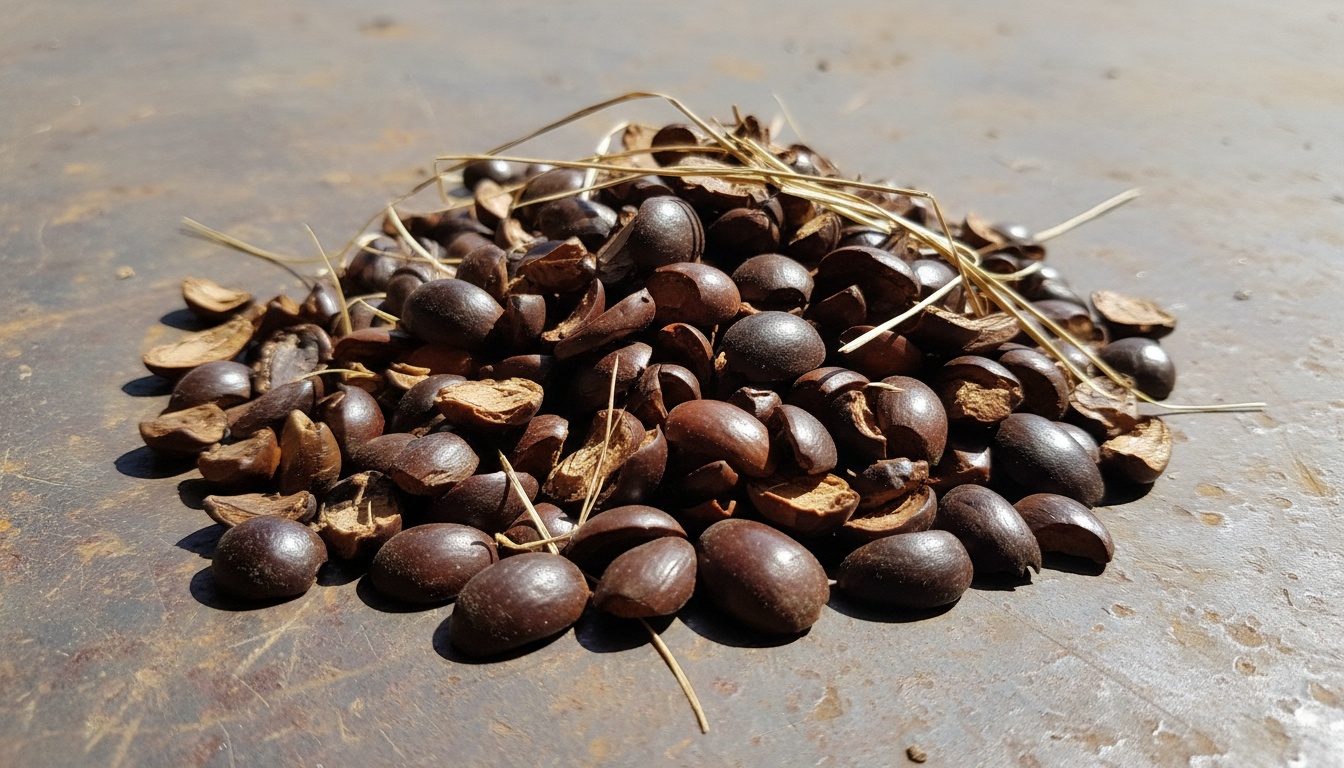
Palm kernel shell is the hard endocarp left after the kernel is cracked out at a palm oil mill, and it has become the largest traded agricultural biomass fuel in Asia. Japan alone imported just over 4.0 million MT under HS 1404.90 in 2025, 74% from Indonesia and 22% from Malaysia, at a landed value around USD 126–141 per MT (UN Comtrade); Indonesia's own export declarations show 6.06 million MT for the year, 92% of it to Japan at about USD 103 per MT FOB. The buyers are utilities and independent power producers running dedicated biomass boilers or co-firing with coal under Japan's feed-in tariff and Korea's renewable portfolio standard, and they contract on a short specification sheet: gross calorific value as received (typically 4,000–4,300 kcal/kg), total moisture (15–20%, with penalties above), ash (3–5%), chloride and fibre or foreign-matter content, and shell size. The commercial difference between two cargoes is almost always moisture and fibre, because both are deadweight the buyer pays freight on and neither burns.
What separates a bankable PKS supply from a spot lot is the sustainability file. Japanese FIT plants must evidence a legal, traceable supply chain, and most buyers now require third-party certification (GGL, RSB or ISCC EU) from the mill through the aggregator to the loading anchorage, so the seller of record is the certified aggregator rather than the mill. Cargo loads by barge at river anchorages such as Muara Sabak (Jambi), Palembang, Dumai and Pontianak, or alongside at Belawan and Malaysian ports, into geared or gearless Handysize and Supramax tonnage of 20,000–35,000 MT. CBIL brokers PKS from certified Sumatran, Kalimantan and Malaysian aggregators against independent draft survey and analysis at load, on FOB, CFR and CIF terms, and because we also run a chartering desk we can price the freight leg to Japan or Korea alongside the cargo rather than leaving it to the buyer.
Need the ship as well? Our chartering desk prices PKS and wood pellet bulk freight on LaycanDesk.
Indicative reference
$95–145 USD / MT
as at September 2026
Reference level only — not an offer, and reviewed quarterly. Levels shown are as at September 2026. Firm pricing is quoted per RFQ, subject to volume, terms and inspection.
Typical Specification
Specifications are indicative and adjusted to the agreed contract and destination requirements. Final spec confirmed on COA / SGS.
Available Grades
Applications
- Dedicated biomass power plants
- Coal co-firing at utilities
- Industrial boilers & cement kilns
- Feedstock for activated carbon
Category
Petroleum & Energy
Incoterms
FOB · CFR · CIF
Pricing basis
USD / MT
Inspection
SGS / Intertek at load port
Palm Kernel Shell (PKS) — buyer questions
What specification do Japanese and Korean buyers actually contract on?
Gross calorific value as received, total moisture, ash, fibre or foreign matter, chloride and size. GCV of 4,000 kcal/kg or better with moisture under 20% is the normal base, and the contract usually carries a price adjustment per 100 kcal and a rejection limit on moisture. Tell us the boiler's design fuel and we work the cargo to it rather than to a generic sheet.
Why does certification matter so much for PKS?
Because Japanese plants under the feed-in tariff must evidence a legal and traceable supply chain, and most now insist on GGL, RSB or ISCC EU chain of custody from mill to ship. An uncertified cargo can only go to a narrower set of buyers at a discount. The certified aggregator, not the mill, is the seller of record.
What parcel sizes and loading arrangements are typical?
20,000–35,000 MT in Handysize and Supramax tonnage. Sumatran and Kalimantan cargo mostly loads by barge at river anchorages, so loading rates and weather allowances matter as much as the FOB price; Malaysian and some Indonesian ports load alongside. We quote the freight leg alongside the cargo.
How is PKS priced relative to wood pellets?
By the gigacalorie, not the tonne. PKS carries about 4,000–4,300 kcal/kg against 4,100–4,400 for industrial pellets, but it is cheaper per tonne and needs no pelletising. Japan's 2025 landed values were roughly USD 126–141 per MT for PKS against USD 177–236 for pellets, which is why co-firing plants keep both in the fuel mix.
Ready to source Palm Kernel Shell?
Send your quantity, specification, preferred Incoterms and destination port. We'll verify supply and respond with a workable offer — usually within one business day.
Have Palm Kernel Shell to sell? Submit an offer — we'll match it against live buyer demand.
More in Biomass Fuels