
Prilled Urea N46%
Fast-dissolving N46% prilled urea | supply for fertigation, resins & DEF
Prilled urea for fertigation operators, resin producers and diesel exhaust fluid (DEF/AdBlue) makers is brokered direct from export terminals in Egypt (Abu Qir on the Mediterranean, Alexfert at Alexandria, and MOPCO) and Algeria (Arzew and Bethioua), with additional stems out of Oman. Cargoes are prepared for rapid dispatch in 50 kg moisture-proof polypropylene bags with heat-sealed polyethylene liners, 1 MT heavy-duty jumbo bags, and Handysize bulk vessels on FOB, CFR, and CIF terms, backed by comprehensive load-port COAs from SGS or Intertek.
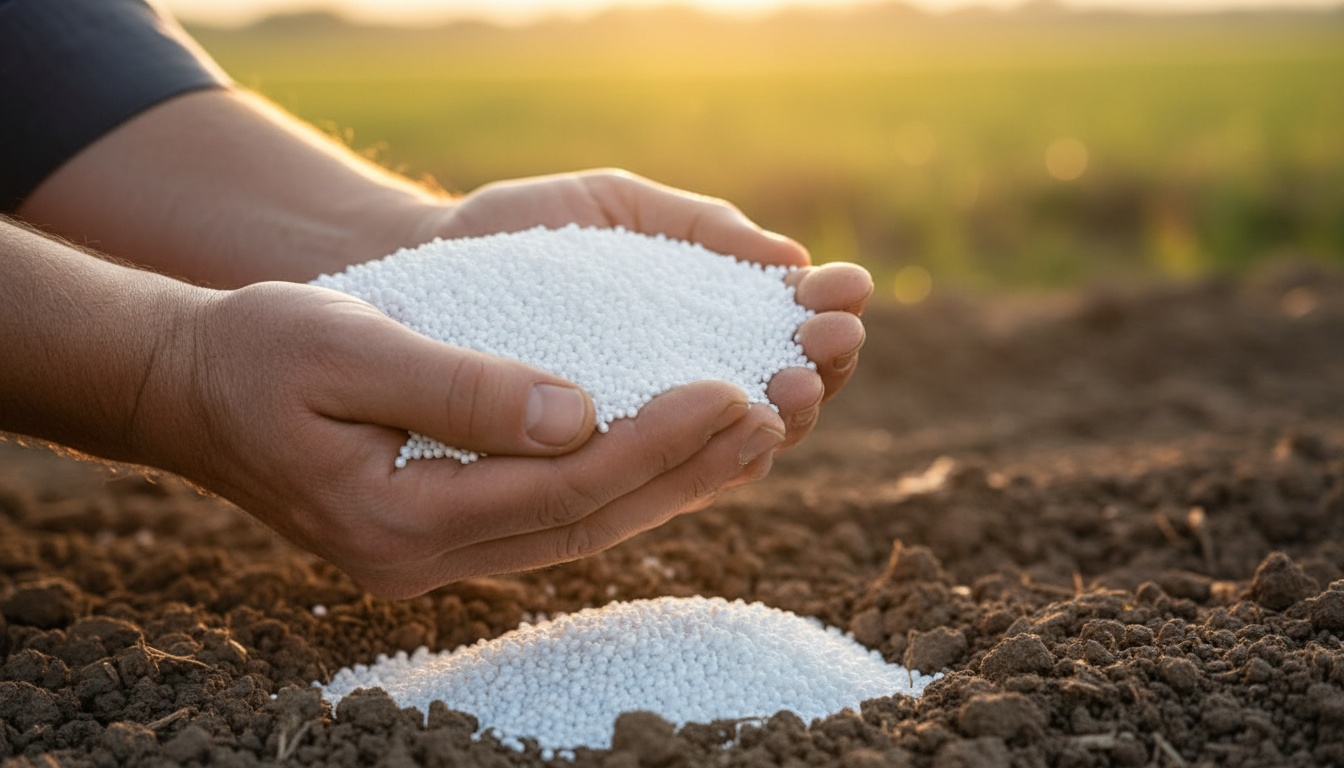
Prilled urea is manufactured by droplet-cooling molten urea in atmospheric prilling towers, yielding spherical, highly uniform particles of 1.0–2.4 mm (≥ 90%) with rapid aqueous dissolution kinetics. For foliar nutrition in plantation cash crops (young rubber, citrus, oil palm seedlings, tea) where biuret toxicity causes chlorosis and leaf scorch, CBIL supplies specialized low-biuret prills (biuret ≤ 0.3% max, moisture ≤ 0.3%). For chemical syntheses—such as urea-formaldehyde (UF) wood resins for plywood/MDF manufacture and melamine resins—as well as NOx-reduction DEF / AdBlue manufacturing under ISO 22241, we supply uncoated technical-grade prills with strictly capped aldehydes, free ammonia (≤ 100 ppm), heavy metals, and biuret ≤ 0.8%. Prills dissolve smoothly in water without leaving insoluble wax or polymer residue, making them the industry benchmark for fertigation systems, pivot sprayers, liquid UAN formulation, and technical chemical syntheses.
Need the ship as well? Our chartering desk prices bagged fertilizer and urea freight on LaycanDesk.
Excluded origins are not offered, including product re-exported, blended or re-processed through a third country. Every lot moves with a certificate of origin naming the producing plant, mine or grower country, and nothing is quoted before the seller and loading point are known.
Indicative reference
$370–450 USD / MT
as at September 2026
Reference level only — not an offer, and reviewed quarterly. Levels shown are as at September 2026. Firm pricing is quoted per RFQ, subject to volume, terms and inspection.
Typical Specification
Specifications are indicative and adjusted to the agreed contract and destination requirements. Final spec confirmed on COA / SGS.
Available Grades
Applications
- AdBlue / DEF (Diesel Exhaust Fluid) production (ISO 22241-1)
- Foliar spray programmes for rubber, tea, citrus & orchards
- Plantation nursery fertigation & liquid injection
- Urea-formaldehyde (UF) & melamine resins for plywood / particle board
- Liquid nitrogen (UAN) production & SCR NOx abatement
Category
Agriculture & Fertilizers
Incoterms
FOB · CFR · CIF
Pricing basis
USD / MT
Inspection
SGS / Intertek at load port
Prilled Urea N46% — buyer questions
How does prilled urea differ commercially and functionally from granular urea?
Prills are smaller (1.0–2.4 mm) and formed by spray solidification in air, giving them higher specific surface area and instant solubility in water without mechanical agitation. While granular urea is built for physical hardness in bulk blends and broadacre spinner spreading, prills are chosen when the nitrogen is dissolved into liquid fertigation systems, foliar tank mixes, UAN solution manufacturing, or chemical reactors. Prilled material carries lower crushing strength (0.5–1.0 kgf) and should not be used in dry bulk blends with DAP or MOP as it will segregate.
What makes low-biuret prilled urea essential for plantation foliar feeding?
Biuret is a phytotoxic condensation byproduct of urea synthesis. When urea is applied via foliar spray or nursery overhead sprinklers on rubber, citrus, oil palm seedlings, and tea bushes, biuret levels exceeding 0.3% cause irreversible marginal leaf chlorosis and root tip stunting. Standard agricultural urea allows up to 1.0% biuret, which is safe for soil application but toxic in foliar sprays. CBIL contracts low-biuret prilled urea guaranteed at ≤ 0.3% biuret with load-port SGS testing.
Can CBIL supply uncoated urea suitable for AdBlue / DEF production?
Yes. Standard agricultural urea is conditioned with formaldehyde-based anti-caking agents that polymerize into insoluble methylenediurea, which clogs diesel dosing injectors and irreversibly poisons the precious-metal (platinum/vanadium) SCR catalytic converters in modern diesel vehicles. We supply technical DEF-grade prilled urea certified to ISO 22241-1 purity parameters: strictly uncoated (100% formaldehyde-free), biuret guaranteed ≤ 0.30% (mandatory to yield a compliant ≤ 0.30% biuret 32.5% aqueous solution), aldehydes ≤ 5 ppm, phosphate ≤ 0.5 ppm, calcium/iron/heavy metals strictly below 0.5 ppm, and insoluble matter ≤ 20 ppm.
How is prilled urea dispatched?
Because our prilled urea sources are concentrated in Egyptian Mediterranean ports (Alexandria, Damietta) and Algerian deepwater terminals (Arzew), vessels route through the Mediterranean, the Suez Canal or the Cape. Containerised 50 kg bags and jumbo bags are stuffed at the terminal against the letter of credit.
Which markets lost Gulf urea in 2026?
Thailand, Kenya, South Africa and New Zealand each took about half or more of their 2025 urea from inside the Gulf. The Strait of Hormuz has been severely restricted since 28 February 2026. Prilled urea from Egypt and Algeria loads outside the strait, and CBIL quotes it into Thai, East African, South African and New Zealand ports; the granular urea page sets out who buys in each market.
Ready to source Prilled Urea?
Send your quantity, specification, preferred Incoterms and destination port. Qualified requirements receive a workable offer against verified supply.
Have Prilled Urea to sell? Submit an offer — we'll match it against live buyer demand.