
Stearic Acid (Palm-Based)
Triple- and double-pressed flakes and beads by iodine value and colour
Stearic acid, as the trade uses the name, is a blend of stearic (C18:0) and palmitic (C16:0) acids from hydrogenated and distilled palm or palm-kernel fatty acids, not the pure C18 chemical, and the grade names tell you the blend. Triple-pressed stearic acid, sold under the palm-industry code 1801, is roughly 40–45% stearic and 50–55% palmitic with an iodine value of 0.5 or below, a saponification value of 205–210 mg KOH/g, an acid value of 204–210, a titre of 54–57°C and a Lovibond colour of around 1.0 R / 10 Y or better; double-pressed 1810 is a slightly wider cut with an iodine value up to about 1.0; rubber grade runs an iodine value of 2–6 and a darker colour, since a tyre compounder needs the activator function and not the whiteness. The 1842 and 1860 palm-stearic grades push the C18 content to 42% and 60% for buyers that need the higher melting point. Moisture is held below 0.2%, unsaponifiables below 0.5–1.0%, and the buyer's sheet adds a fatty-acid profile by GC, a peroxide value for cosmetics and a heavy-metals line for pharma. Rubber compounders, PVC processors (as a lubricant and a calcium-stearate precursor), candle makers, cosmetics and soap-noodle plants, metallic-stearate producers and lubricant and grease blenders each take a different grade, and the palm-based product has taken share from tallow-based stearic acid in most of them on price, halal and BSE grounds. UN Comtrade 2025 export declarations under HS 3823 — a heading that bundles stearic acid with PFAD and the other industrial fatty acids — put Indonesia at 5.77 million MT at USD 1,313/MT and Malaysia at 2.92 million MT at USD 1,311/MT, with India at 0.27 million MT at USD 1,681 and Thailand at 0.13 million MT at USD 1,488 as the two other Asian origins with distilled-acid capacity, out of 21 reporting origins. In Malaysia's 2025 destination list the higher-value lines are the finished acids: the USA at USD 1,719/MT, Thailand at USD 1,712, Japan at USD 1,686 and China at USD 1,503 against the USD 1,311 average.
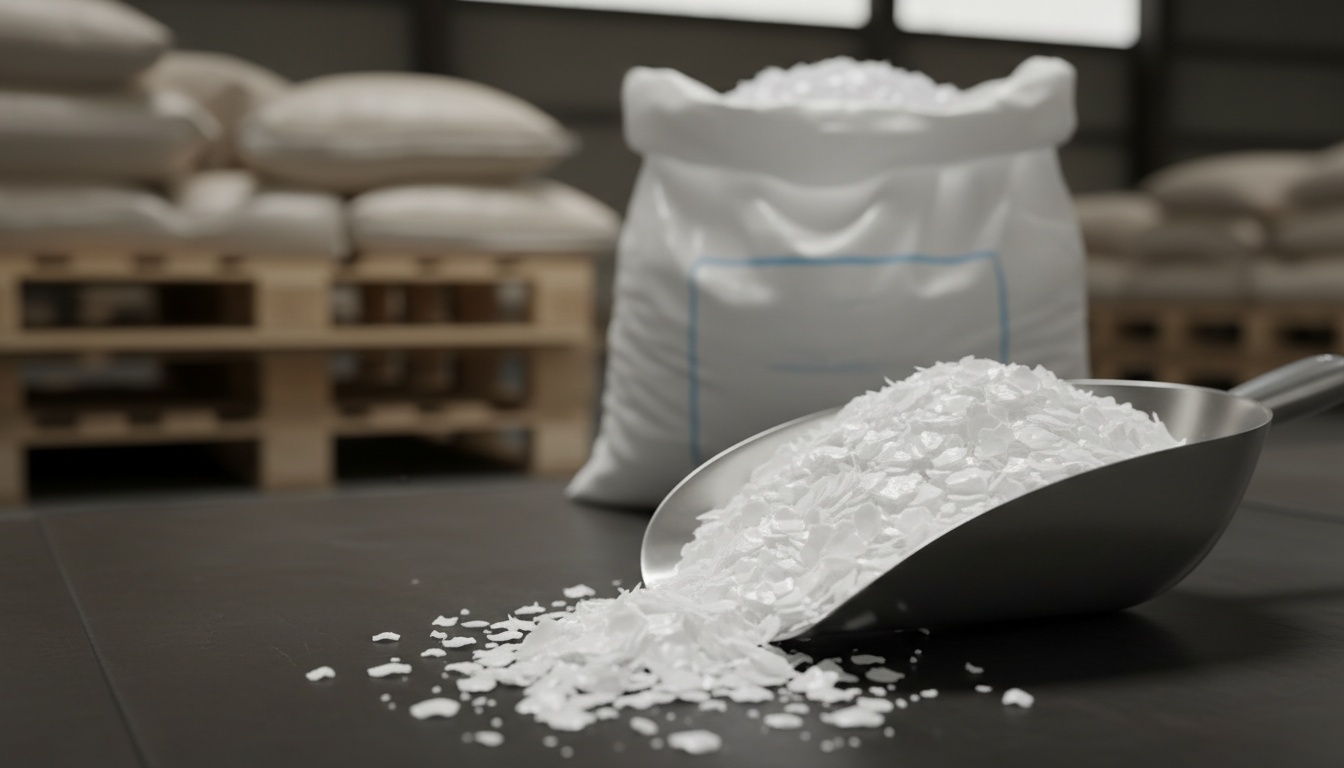
Stearic acid prices off palm stearin and palm-kernel oil plus the splitting, hydrogenation and distillation margin, and the premium for triple-pressed over rubber grade is the cost of the extra fractionation and bleaching. CBIL is a commodity brokerage company and brokers palm-based stearic acid from Indonesian, Malaysian, Thai and Indian oleochemical plants and trader positions against SGS or Intertek certification of iodine value, saponification value, acid value, titre, colour, moisture, unsaponifiables and fatty-acid composition, with RSPO, halal and kosher declarations where the end use requires them. Flakes and beads move in 25 kg polypropylene or paper bags on pallets (18–20 MT per 20-foot container) and in 500–1,000 kg jumbo bags; molten stearic acid moves as heated liquid bulk in chemical-tanker parcels, flexitanks and heated ISO tanks for buyers with tank storage. On FOB, CFR and CIF terms, and because CBIL also runs a chartering desk (LaycanDesk) that works product and chemical tankers, the freight on molten parcels is quoted with the cargo. Send your grade code, iodine-value ceiling, colour requirement and physical form and we will work the offer to it.
Need the ship as well? Our chartering desk prices chemical and vegetable oil tanker chartering on LaycanDesk.
Indicative reference
$1,150–1,450 USD / MT
as at September 2026
Reference level only — not an offer, and reviewed quarterly. Levels shown are as at September 2026. Firm pricing is quoted per RFQ, subject to volume, terms and inspection.
Typical Specification
Specifications are indicative and adjusted to the agreed contract and destination requirements. Final spec confirmed on COA / SGS.
Available Grades
Applications
- Rubber & tyre compounding (activator)
- PVC lubricant & metallic stearates
- Candles
- Cosmetics, creams & soap noodles
- Lubricants, greases & textile auxiliaries
Category
Agriculture & Fertilizers
Incoterms
FOB · CFR · CIF
Pricing basis
USD / MT
Inspection
SGS / Intertek at load port
Stearic Acid (Palm-Based) — buyer questions
What do 1801, 1810, 1842 and 1860 mean?
They are the palm-industry grade codes. The first two digits are the nominal carbon-chain length (18) and the last two are either the approximate C18 content or, for the pressed grades, a grade number: 1801 is triple-pressed with an iodine value of 0.5 or below and the whitest colour, 1810 is double-pressed with an iodine value up to about 1.0, and 1842 and 1860 are cuts with 42% and 60% stearic (C18) content for buyers that need a higher melting point. Rubber grade has no code and is sold on an iodine value of 2–6. Quote the code and the iodine value together; the code alone is not a specification.
Palm-based or tallow-based stearic acid?
The two are interchangeable in most applications at the same iodine value and titre, and palm-based has taken most of the market outside the Americas because it is halal, carries no animal-disease documentation and is usually cheaper. Tallow-based stearic acid tends to run a higher C18 fraction naturally, so some candle and crayon makers still specify it for hardness. If your formulation was developed on tallow, ask for a 1842 or 1860 palm grade and trial it before switching a plant.
Flakes, beads or molten?
Flakes and beads are the same acid in different solid forms; beads flow better in automated dosing and dust less, flakes are cheaper and universal. Both ship in 25 kg bags, 18–20 MT to a 20-foot container, and keep for a year in dry storage. Molten stearic acid, shipped heated in parcel tankers, flexitanks or ISO tanks, suits a metallic-stearate or soap plant with heated tank storage that would otherwise pay to melt the flakes again. Tell us which you take and we price the form, not just the tonne.
What parcel sizes and freight terms do you work?
Container lots from one FCL upward for flakes and beads out of Indonesian, Malaysian and Thai ports, on FOB, CFR and CIF terms; for molten grade, chemical-tanker parcels of 1,000–3,000 MT and heated ISO tanks. Because CBIL also runs a chartering desk that works product and chemical tankers, the freight leg on molten parcels is quoted alongside the cargo so you see the CFR number and the FOB number side by side.
Ready to source Stearic Acid?
Send your quantity, specification, preferred Incoterms and destination port. We'll verify supply and respond with a workable offer — usually within one business day.
Have Stearic Acid to sell? Submit an offer — we'll match it against live buyer demand.
More in Oleochemicals: PFAD, Glycerine & Fatty Acids