
Dehydrated Onion
White & pink onion — kibbled, minced, granules and powder
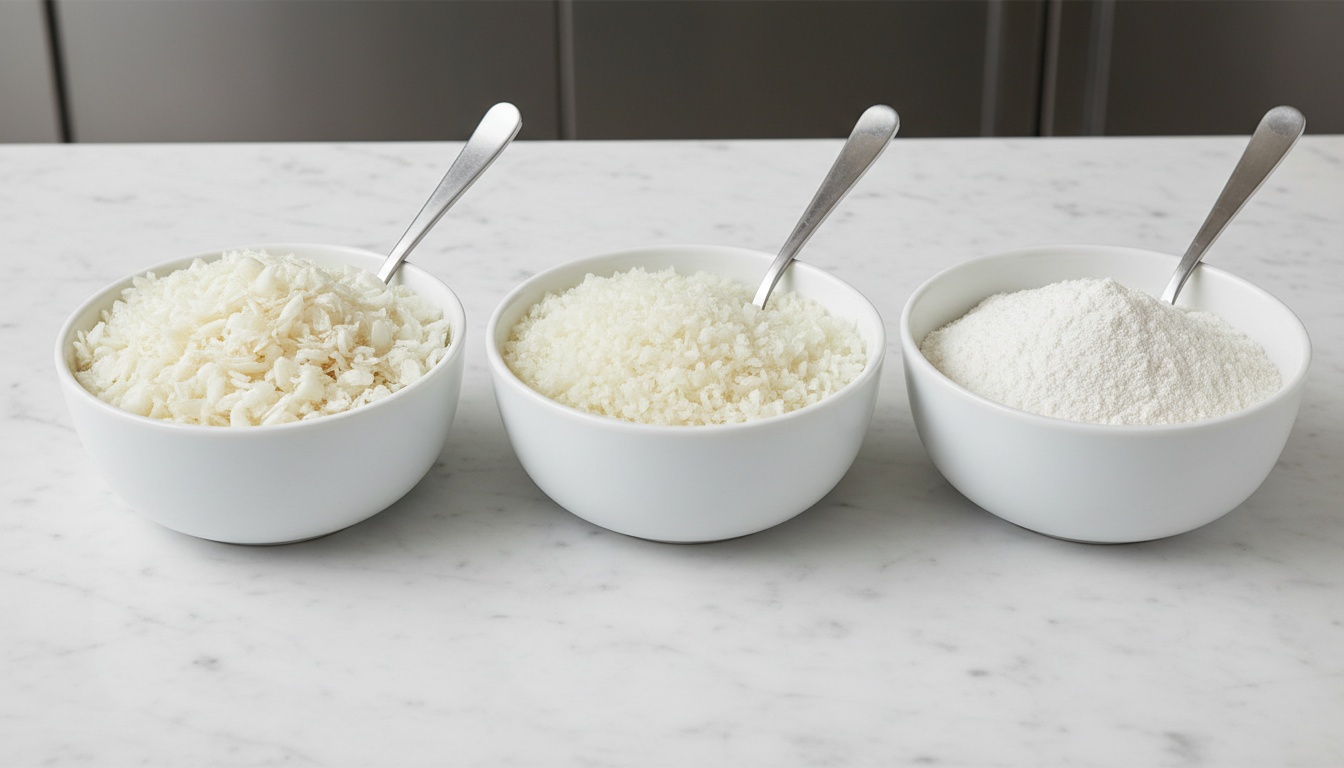
CBIL brokers dehydrated onion from Gujarat's Mahuva belt and other established Indian processing hubs in the cuts the trade actually orders: kibbled (roughly 8–15 mm), chopped (3–8 mm), minced (1–3 mm), granules (mesh 20–40 or 40–60) and powder at 80–100 mesh. Cut is not a cosmetic choice — it decides where the onion shows up in the finished product. Kibbled and chopped stay visible and rehydrate into recognisable pieces for soups, ready meals and pizza toppings; minced and granules dissolve into a seasoning matrix; powder carries flavour with no texture at all and is the base for snack dusts and coatings. Colour grade matters alongside cut: white onion is the volume standard where the finished product must stay pale, while pink onion carries more pungency and a warmer colour that shows through in a light sauce or dust — buyers who need the pungency without the colour shift specify white and accept the trade-off.
The two remaining commercial variables are pungency and SO₂. Pungency is measured as pyruvate and is what separates a functional onion from filler; it is set by crop and variety rather than by processing, so it belongs in the contract. SO₂ is the divide that decides your buyer list: sulphited material at ≤ 15 ppm holds colour better and prices lower, while SO₂-free material is what clean-label retail programmes and a growing share of EU and US ready-meal buyers now insist on, and it costs more for a reason. Product is hot-air dried, metal-detected and sieve-graded to your mesh, arranged against SGS certification of moisture, SO₂, ash, pungency, insoluble solids and micro — total plate count, yeast and mould, and Salmonella absent in 25 g — with ETO-free and steam-sterilised formats for EU and US entry. Supply is structured in 10kg and 20kg lined cartons and fibre drums, container-load, on FOB, CFR and CIF terms; note that dehydrated onion cubes out well before it weighs out, so plan the fill.
Excluded origins are not offered, including product re-exported, blended or re-processed through a third country. Every lot moves with a certificate of origin naming the producing plant, mine or grower country, and nothing is quoted before the seller and loading point are known.
Indicative reference
$1,300–1,900 USD / MT
as at September 2026
Reference level only — not an offer, and reviewed quarterly. Levels shown are as at September 2026. Firm pricing is quoted per RFQ, subject to volume, terms and inspection.
Typical Specification
Specifications are indicative and adjusted to the agreed contract and destination requirements. Final spec confirmed on COA / SGS.
Available Grades
Applications
- Seasoning blends
- Snack coatings
- Instant noodles & soups
- Sauces & ready meals
- Retail packing
Category
Agri-Foods, Spices & Nuts
Incoterms
FOB · CFR · CIF
Pricing basis
USD / MT
Inspection
SGS / Intertek at load port
Dehydrated Onion — buyer questions
Which cut of dehydrated onion do I need?
Work back from whether the onion should be seen. Kibbled and chopped rehydrate into visible pieces for soups, ready meals and toppings. Minced and granules disappear into a seasoning matrix. Powder at 80–100 mesh gives flavour with no texture and is what snack dusts and coatings use. Ordering a finer cut than the application needs is the most common way buyers overpay here.
White or pink onion?
White is the volume standard and keeps the finished product pale. Pink carries more pungency but a warmer colour that will show through a light sauce or a dust. If you need the pungency and cannot accept the colour shift, specify white and set a pyruvate floor instead — pungency is a crop and variety property, not something processing adds.
Do I need SO₂-free onion?
It depends on your label and destination. Sulphited material at ≤ 15 ppm holds colour better and prices lower; SO₂-free is what clean-label retail programmes and many EU and US ready-meal buyers now require, and it carries a genuine premium. Tell us the label declaration you are working to and we will quote the format that matches it.
How much dehydrated onion loads in a container?
Fewer tonnes than the weight limit suggests — kibbled and chopped cuts cube out long before they weigh out, and even powder is light. Granules and powder load denser than kibbled. We confirm the realistic fill for your cut before you cost freight, because on a CIF number it moves the landed price noticeably.
Ready to source Dehydrated Onion?
Send your quantity, specification, preferred Incoterms and destination port. Qualified requirements receive a workable offer against verified supply.
Have Dehydrated Onion to sell? Submit an offer — we'll match it against live buyer demand.
More in Dehydrated Products
Dehydrated Garlic
Flakes, granules and powder graded on allicin and colour
Dehydrated Vegetables
Tomato, carrot, beetroot, cabbage, chilli, mint & curry leaf
Dried Mushrooms (Shiitake, Button, Oyster, Porcini)
Dried shiitake, button, oyster and porcini mushrooms, whole, sliced or powder
Dried Potato Flakes & Granules
Dehydrated potato flakes and granules for food service, snack and bakery lines