Zinc Die-Casting Alloy Ingot (Zamak 3 & Zamak 5)
Zamak 3 (ZL0400 / AG40A) and Zamak 5 (ZL0410 / AC41A) die-casting alloy ingot to EN 1774 and ASTM B240, bought on Al, Cu, Mg and the impurity ceilings
Zamak is the zinc-aluminium die-casting family, and the two grades that make up most of the trade are bought on one alloying difference and one set of impurity ceilings. EN 1774, the European standard for zinc alloy ingot and liquid for foundry purposes, sets Zamak 3 (ZL3, ZL0400, ZnAl4) at 3.8–4.2% aluminium, 0.03% copper maximum, 0.035–0.06% magnesium, and Zamak 5 (ZL5, ZL0410, ZnAl4Cu1) at the same aluminium and magnesium with 0.7–1.1% copper; both cap lead at 0.003%, cadmium at 0.003%, tin at 0.001%, iron at 0.02%, silicon at 0.02% and nickel at 0.001%, with zinc the balance. ASTM B240 is the ingot standard in North America, where Zamak 3 is AG40A (UNS Z35521 as ingot, Z33520 as casting to ASTM B86) and Zamak 5 is AC41A (Z35530 ingot, Z35531 casting); EN 12844 gives the castings their ZP0400 and ZP0410 designations. The ingot standard is written tighter than the casting standard on purpose, so the foundry has process latitude in the pot. Aluminium at about 4% is what makes zinc castable in a hot-chamber machine and sets strength; the copper in Zamak 5 raises tensile strength (331 MPa against 268 MPa for Zamak 3 in published typical values) and hardness at the cost of ductility (3.6% against 6.3% elongation) and long-term dimensional stability; magnesium in the few hundredths of a percent suppresses intergranular corrosion. Lead, cadmium and tin above the ceilings cause that same intergranular corrosion and cracking in service, which is why a die-caster reads the spectrometer certificate per heat before the price. Zamak 3 is the general-purpose grade and makes up over 70% of North American zinc die castings; Zamak 5 is the more common choice in Europe. Zinc alloys in unwrought form are declared under HS 7901.20.
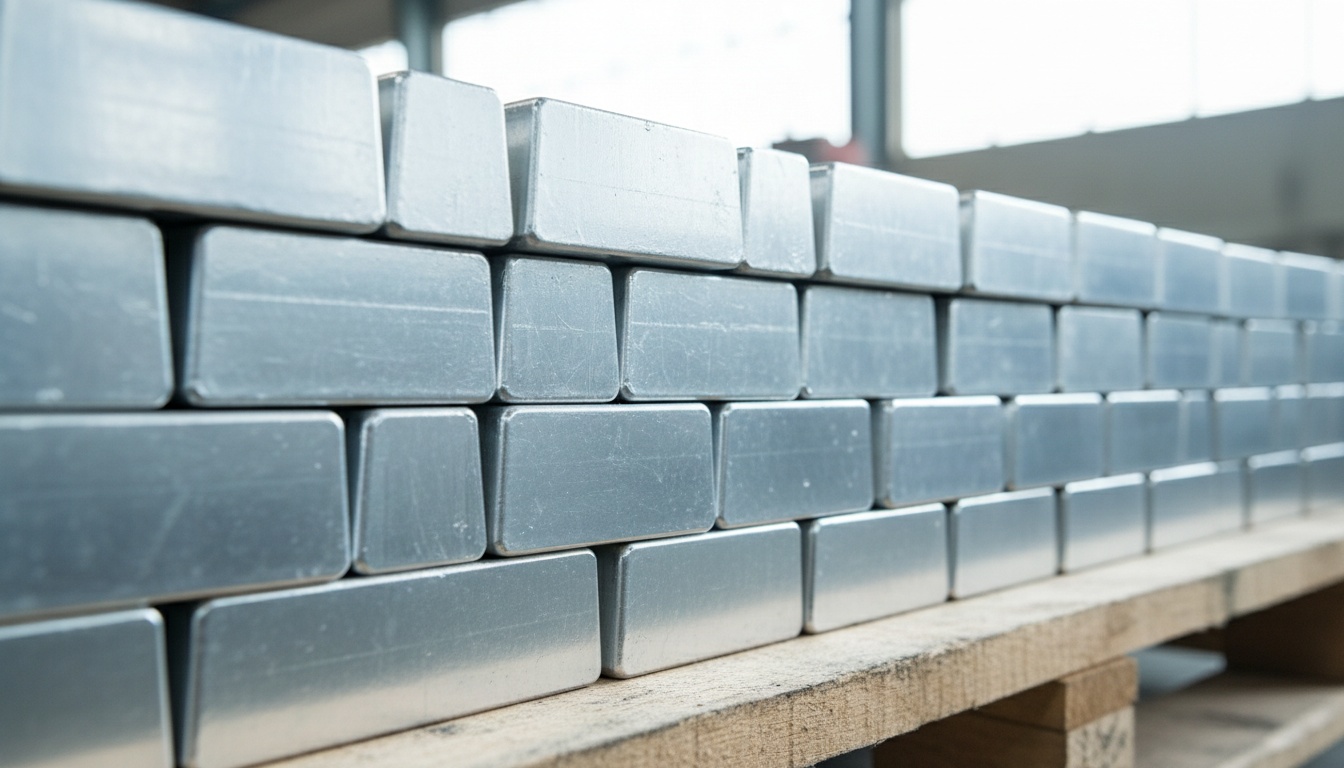
The buyers are hot-chamber die-casters making door and furniture hardware, taps and sanitary fittings, automotive and electrical components, zips, buckles and toys, in the Gulf, South Asia, Southeast Asia, East Africa and Türkiye, and the offer is a price off the LME zinc reference plus an alloying premium for a stated grade, standard and bundle form. CBIL is a commodity brokerage company and brokers Zamak 3 and Zamak 5 ingot from primary-metal alloyers and certified secondary producers in Korea, Türkiye, Spain, Peru and China against the spectrometer certificate per heat, the producer's declaration of feed (SHG zinc and primary aluminium, or re-alloyed zinc scrap and returns), a certificate of origin and independent sampling at stuffing by SGS, Bureau Veritas or Intertek on first shipments. Feed matters: alloy made from Special High Grade zinc and primary aluminium holds the lead and cadmium ceilings by design, while alloy re-melted from mixed die-cast scrap needs its impurities proven heat by heat and prices at a discount. Ingot moves in strapped bundles of about 1 MT in 20-foot containers, weight-limited at about 25 MT a box, on FOB, CFR and CIF terms; minimum lots are confirmed per producer. Send the grade and standard, the impurity limits your castings are qualified to, monthly tonnage and discharge port, and the enquiry is screened and worked against it.
Need the ship as well? Our chartering desk prices part cargo and parcel space on LaycanDesk.
Excluded origins are not offered, including product re-exported, blended or re-processed through a third country. Every lot moves with a certificate of origin naming the producing plant, mine or grower country, and nothing is quoted before the seller and loading point are known.
Indicative reference
Per MT, LME zinc plus alloying premium, on grade USD / MT
as at September 2026
Reference level only — not an offer, and reviewed quarterly. Levels shown are as at September 2026. Firm pricing is quoted per RFQ, subject to volume, terms and inspection.
Typical Specification
Specifications are indicative and adjusted to the agreed contract and destination requirements. Final spec confirmed on COA / SGS.
Available Grades
Applications
- Hot-chamber zinc die-casting
- Door, window and furniture hardware
- Taps, valves and sanitary fittings
- Automotive and electrical components
- Zips, buckles, badges and toys
Category
Metals & Recycled Scrap
Incoterms
FOB · CFR · CIF
Pricing basis
USD / MT
Inspection
SGS / Intertek at load port
Zinc Die-Casting Alloy Ingot (Zamak 3 & Zamak 5) — buyer questions
What is the difference between Zamak 3 and Zamak 5?
Copper. Both are 3.8–4.2% aluminium with 0.035–0.06% magnesium under EN 1774; Zamak 3 holds copper to 0.03% maximum while Zamak 5 carries 0.7–1.1%. The copper gives Zamak 5 higher tensile strength and hardness and better creep and wear behaviour, at the cost of ductility and some long-term dimensional stability. Zamak 3 is the default in North America and Zamak 5 is more common in Europe.
Why are lead, cadmium and tin held so low in zinc die-casting alloy?
Because above a few thousandths of a percent they cause intergranular corrosion in the casting, which shows up as swelling, cracking and loss of strength in service, often after months in a humid environment. EN 1774 caps lead and cadmium at 0.003% and tin at 0.001% in the ingot, tighter than the casting standard, so the die-caster starts with margin. That is why the spectrometer certificate per heat, and the feed the alloy was made from, decide the price.
Is secondary Zamak acceptable?
It can be, from a certified re-alloying plant that starts from sorted zinc die-cast scrap and corrects the chemistry, and proves lead, cadmium, tin and iron heat by heat. Alloy from mixed or contaminated scrap is not, and it should be assumed off-specification until an independent analysis says otherwise. Alloy made from Special High Grade zinc and primary aluminium holds the ceilings by design and carries the higher premium.
How is Zamak ingot priced and shipped?
Off the LME zinc reference, as a fixed price or an average over an agreed quotation period, plus an alloying premium that covers the aluminium, copper and magnesium and the casting into ingot. Ingot moves in strapped bundles of about 1 MT in 20-foot containers, roughly 25 MT a box, on FOB, CFR or CIF terms, with the heat certificate, packing list and certificate of origin.
Ready to source Zamak Ingot?
Send your quantity, specification, preferred Incoterms and destination port. Qualified requirements receive a workable offer against verified supply.
Have Zamak Ingot to sell? Submit an offer — we'll match it against live buyer demand.
More in Aluminium Alloy Ingot, Billet & Copper Rod
Aluminium Alloy Ingot (ADC12, LM6, LM24, A356)
Secondary die-casting ingot ADC12, LM6/A413, LM24/A380, A356 and LM25 by Si, Cu, Fe and Zn
Aluminium Extrusion Billet (6063 & 6061 Homogenised)
Homogenised 6063 and 6061 log and cut billet, 5–10 inch diameter, by Mg, Si, Fe and ultrasonic class
Copper Ingot, Billet & 8 mm CC Rod
Remelt copper ingot and billet by Cu content; 8 mm ETP, FRHC and oxygen-free rod by oxygen and % IACS